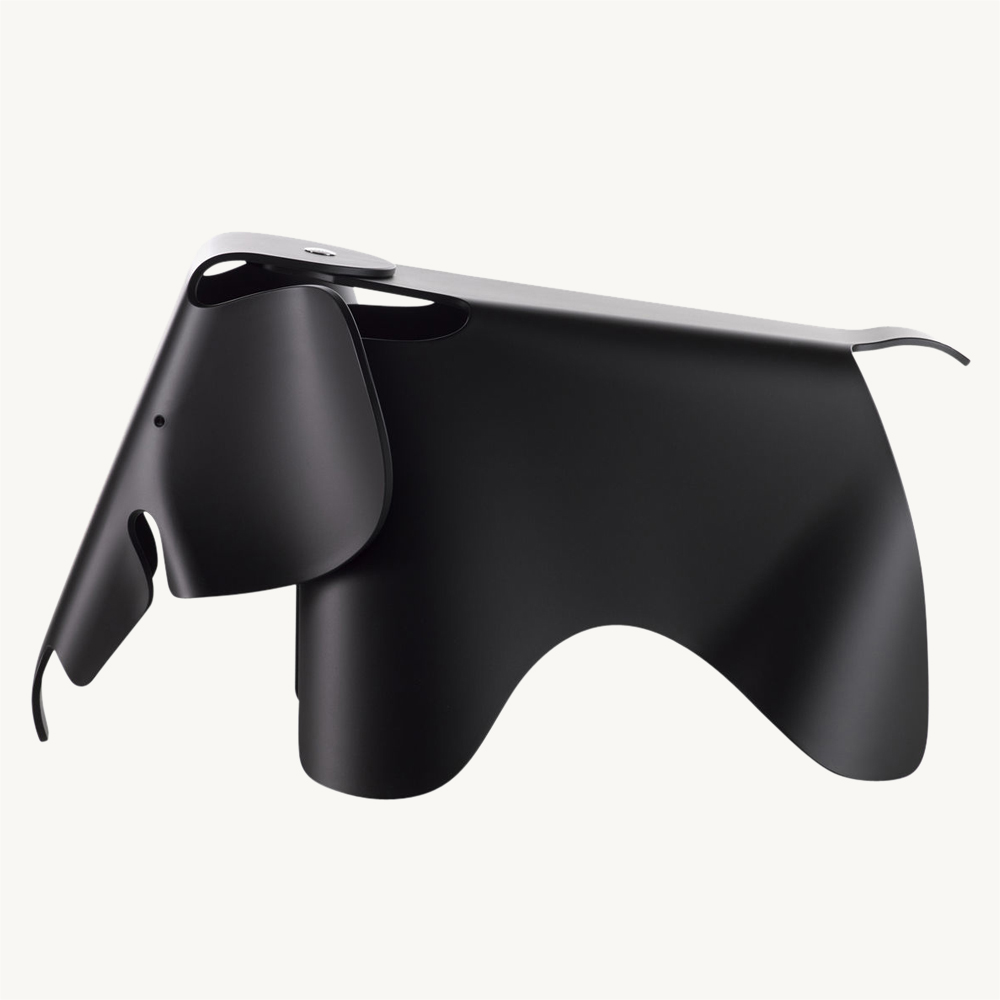
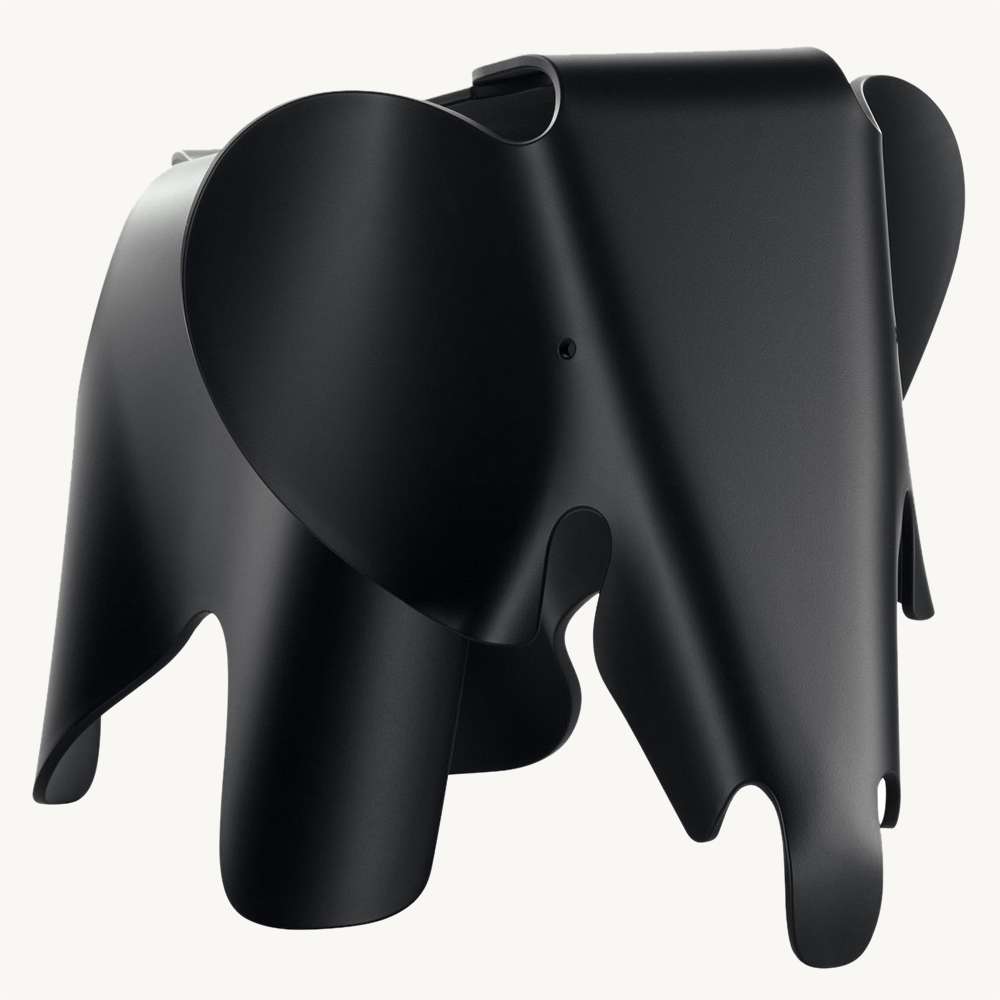
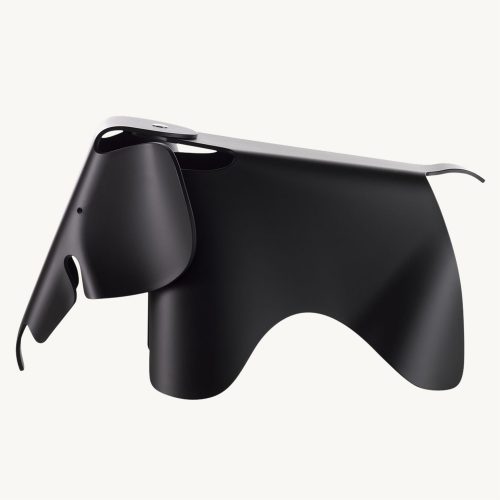
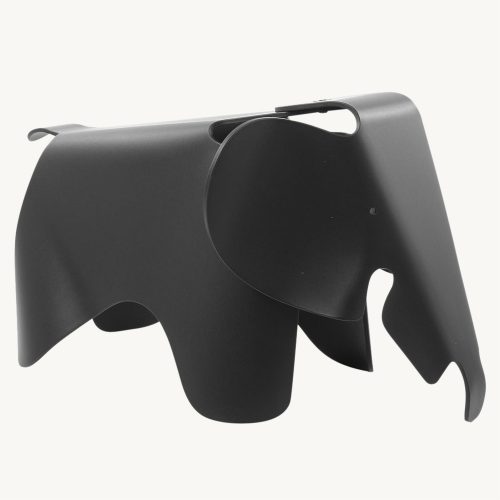
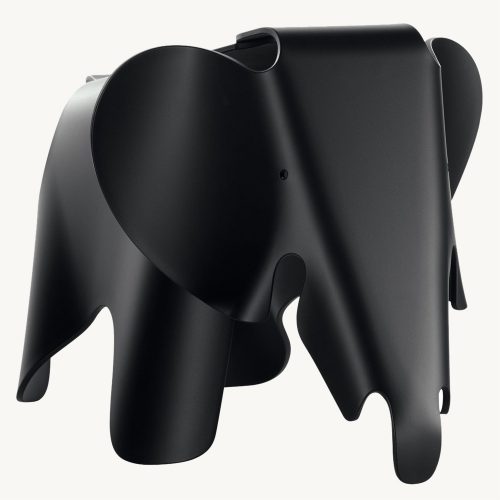
Charles and Ray Eames developed a toy elephant made of plywood in 1945; however, this piece never went into production. Now manufactured in plastic, the Eames Elephant is available to the target group for which it was originally intended: children. Whether as a sturdy indoor-outdoor toy or simply as an attractive object in a child’s room, this friendly looking animal with prominent, oversized ears will bring delight to children and parents alike.

Charles & Ray Eames, 1945
Showrooms
1
2
Spotted Eames Elephant in the wild?
Is this design piece publicly accessible in a museum, hotel, or café? Add it!
Do you stock this product in your showroom?
List your showroom here for free:
Exhibition pieces
Originals currently on sale
Facts
Designer
Charles & Ray Eames
Year
1945
Manufacturer
Vitra
Dimensions
B78,5 x H41,5 x T41 cm
Material
Polypropylen, durchgefärbt (matte Oberfläche) oder recyceltes Polypropylen (Ausführungen RE)
Colours / Variants
PolyethylenRecyceltes Polyethylen
Type
Stools
Description
FAQ
How do I protect plastic furniture from UV radiation and fading?
Plastic is damaged by UV radiation, causing fading and brittleness. Clean plastic furniture regularly with mild soap and water. For outdoor use, apply a UV-protective spray every 4–6 weeks during summer months. Store portable pieces indoors when not in use.
What should I look for when choosing an ergonomic chair?
A quality ergonomic chair should feature adjustable seat height so your knees are slightly below hip level and feet rest flat on the floor. Look for a padded seat with a waterfall edge that doesn't cut off circulation behind the knees. Lumbar support and adjustable armrests promote healthy posture during extended work sessions.
What makes mid-century modern design special?
Mid-century modern (1940s–1960s) revolutionized furniture design with clean lines, organic forms, and functional aesthetics. The style combines traditional materials like wood with modern elements like metal, glass, and plastic. Designs by Eames, Jacobsen, and Wegner define this era's timeless elegance.
How do I identify authentic design classics from replicas?
Authentic designer classics show quality craftsmanship with traditional joinery — never visible nails or cheap screws. Look for maker's marks, labels with model numbers, or certificates from recognized licensors. Genuine vintage pieces exhibit natural patina and wear. If the price seems too good to be true, it likely is a replica.
Why is sustainable furniture important?
Sustainable furniture is designed and manufactured with minimal environmental impact — using responsibly sourced or recycled materials. Longer lifespan results in fewer replacements and long-term cost savings. Quality pieces from genuine materials last longer and need fewer replacements — that's the truest form of sustainability.
Which designer furniture retains its value?
Furniture from renowned designers in quality materials holds value long-term. Classic designs from Eames, Jacobsen, or Wegner are timeless and easy to resell. A well-maintained vintage piece or designer classic can appreciate over years, especially with authentication and documentation.
Similar objects
More from Vitra
Didn’t find the right object? Search again:
All information without guarantee. Brand and product names are the property of their respective owners.